
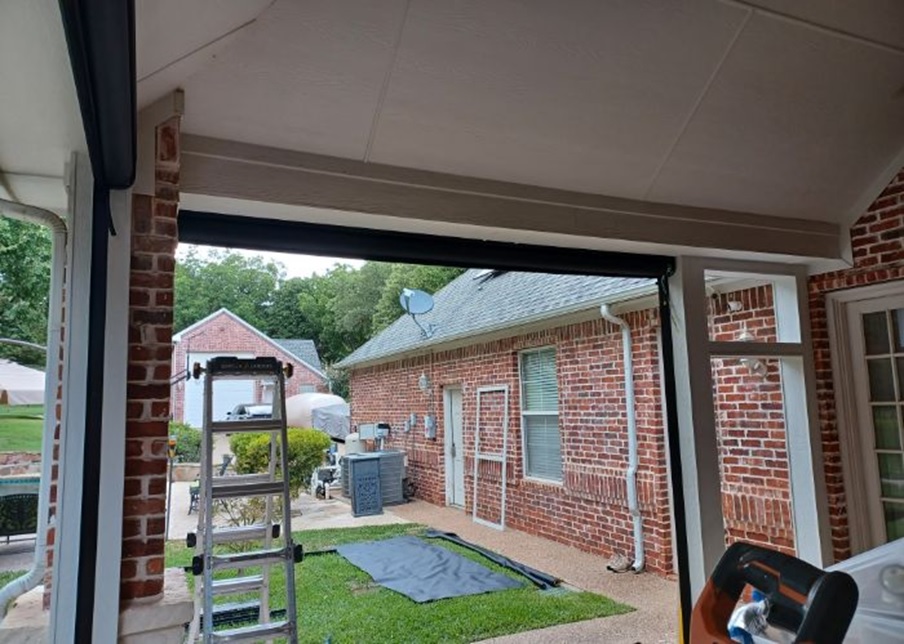

Houston homeowners know that outdoor living comes with a few challenges. Warm temperatures, intense sunlight, humidity, and mosquitoes can make patios and covered porches less inviting at certain times of the day. While outdoor furniture and landscaping can improve the appearance of a backyard, comfort often depends on how well the space responds to changing conditions. Custom motorized screens in Houston offer homeowners a flexible way to manage sunlight, reduce insect entry, and enjoy covered outdoor areas without permanently enclosing them.
For homeowners considering an outdoor upgrade, https://conservationscreensandawnings.com/locations/houston-tx/ provides information about available screening solutions. Unlike standard screens that come in predetermined dimensions, custom systems are designed around the measurements and requirements of a particular opening. This approach allows homeowners to consider the architectural features, daily activities, and practical limitations of their outdoor spaces before selecting a system.
Design Around the Space You Already Have
Every patio has its own layout. Some feature wide openings overlooking a backyard, while others have multiple columns, decorative beams, or unusual dimensions.
These details can make standard screening solutions difficult to accommodate.
Custom systems allow measurements and installation requirements to be evaluated for a particular structure. The goal is to select equipment that fits the available opening while working with the home’s existing design.
Before choosing a screen, homeowners should consider the width and height of the opening, the available mounting surfaces, and nearby fixtures.
Ceiling fans, lighting, doors, and outdoor furniture can all influence equipment placement.
Planning around these details helps reduce installation complications and supports a more functional finished space.
Give Every Part of the Patio a Purpose
A well-designed outdoor area often includes different activity zones.
One section may contain a dining table, while another serves as a lounge with comfortable seating. Some homeowners also have outdoor kitchens or entertainment areas.
Each zone may have different screening needs.
A dining area might benefit from insect protection, while a west-facing seating area may need additional afternoon shade.
Rather than choosing identical materials for every opening, homeowners can evaluate the priorities of each section.
This approach helps create an outdoor environment that supports different activities without unnecessarily changing the entire patio.
Choose Screen Fabric Based on Function
Screen fabric plays an important role in how a motorized system performs.
Some materials are intended primarily for insect protection, while others provide varying levels of solar shading, visibility, or privacy.
A tightly woven fabric may offer greater shading but can also reduce the view through the screen.
More open materials may preserve visibility while allowing additional sunlight to pass through.
Homeowners should compare material samples under realistic lighting conditions before making a decision.
For those considering custom motorized screens in Houston, understanding these differences is especially important because the area’s warm climate can make sunlight exposure a major consideration.
The U.S. Department of Energy explains how screens and other shading features can help manage unwanted glare and solar heat gain. The effectiveness of any particular outdoor screen depends on its material, placement, and surrounding conditions.
Make Outdoor Entertaining Easier
Hosting guests outdoors can be enjoyable, especially when the patio connects directly to the kitchen or living room.
However, mosquitoes and other flying insects can interrupt conversations and meals.
Appropriate insect-screen materials can help reduce insects entering through covered openings.
The results depend on the installation, screen design, and whether other openings remain exposed.
Homeowners should also consider how guests will move through the space.
A screening system should not make frequently used entrances inconvenient or interfere with normal circulation.
Thinking about access during the design stage helps ensure the finished installation supports entertaining rather than complicating it.
Consider How Sunlight Moves Across the Property
Sun exposure changes throughout the day, and different sides of a home receive varying amounts of direct sunlight.
An east-facing patio may experience stronger morning sunlight, while a west-facing space may become uncomfortable later in the afternoon.
Nearby trees, fences, and neighboring buildings can also affect shading.
Before selecting screen materials, homeowners can observe when their patio receives the most direct sunlight.
This information may help determine which openings would benefit from solar screens and what degree of shading is desirable.
Screens can reduce certain types of sunlight exposure, but they do not provide the same temperature control as a fully conditioned indoor room.
Setting realistic expectations is an important part of planning.
Integrate Motorized Controls Into Daily Routines
Convenient operation is one of the defining features of motorized screening systems.
Depending on the equipment, screens may operate through a remote control, wall switch, or compatible automated control system.
Homeowners should consider where controls would be most accessible.
For example, a switch near the patio entrance may be convenient for frequent use, while a handheld remote may suit a large outdoor seating area.
Electrical requirements should also be reviewed before installation.
The location of power sources and the routing of necessary wiring can influence how the system is incorporated into the existing structure.
Select Finishes That Complement the Home
Functional improvements should also respect the property’s appearance.
Screen housings, tracks, and other visible components can influence the finished design.
Homeowners may want finishes that coordinate with exterior paint, window frames, patio columns, or other architectural details.
The goal is not necessarily to make the equipment completely invisible.
Instead, the components should look intentional and appropriate for the surrounding structure.
Custom planning allows homeowners to evaluate these visual considerations alongside the system’s practical requirements.
Prepare for Houston’s Weather Conditions
Houston’s climate includes periods of high humidity, heavy rainfall, thunderstorms, and strong winds.
These conditions make it important to understand the limitations of outdoor screening equipment.
Motorized screens are not intended to replace storm shutters, permanent walls, or other structural weather protection.
Wind resistance varies by product, and manufacturers may require screens to be retracted under certain conditions.
Homeowners should ask about operating restrictions, maintenance recommendations, and appropriate procedures during severe weather.
Proper use helps protect the equipment and reduces the likelihood of avoidable damage.
Think About Maintenance Before Installation
Outdoor screens are exposed to pollen, dust, insects, and environmental debris.
Over time, these materials can accumulate on screen fabric and operating components.
Routine cleaning may help maintain the system’s appearance and operation, but cleaning methods depend on the manufacturer’s instructions.
Homeowners should avoid abrasive materials, unapproved chemicals, or forcing screens that are not moving correctly.
It is also important to keep furniture and other objects away from the screen’s operating path.
Understanding maintenance requirements before purchasing can help homeowners select a system that fits their expectations for long-term care.
Plan for Long-Term Use
An outdoor improvement should remain practical beyond its initial installation.
Homeowners can think about how their needs may change over time.
A patio currently used for occasional gatherings might eventually become a regular dining area or a quiet place for relaxation.
Flexible screening can accommodate different uses, provided the equipment remains appropriate for the space.
When comparing custom motorized screens in Houston, it is worth discussing available warranties, replacement materials, service requirements, and the expected maintenance of the selected system.
These considerations can be just as important as appearance and convenience.
Create an Outdoor Area That Works With Your Home
A successful patio improvement begins with understanding how the space is used, where sunlight enters, and which features contribute most to everyday comfort. Custom screening allows homeowners to consider these details rather than relying on a one-size-fits-all solution.
Thoughtful planning can help balance shade, visibility, insect protection, and convenient operation while preserving the character of the existing outdoor area.
For homeowners interested in custom motorized screens in Houston, Conservation Screens and Awnings of Houston offers an opportunity to explore screening options suited to different outdoor layouts. Contact the company to discuss your patio dimensions, design preferences, and installation requirements, and take the next step toward a more functional outdoor living space.
