


Home renovation is one of the most effective ways to increase the value of your property, but only when it is done right. Many Australian homeowners pour significant money into upgrades and still walk away with a home that fails to impress buyers or appraisers. The difference between a renovation that adds value and one that drains your budget often comes down to a handful of avoidable mistakes. Here are seven of the most common renovation errors and what you should do instead.
1. Over-Capitalising for the Neighbourhood
One of the most financially damaging mistakes a homeowner can make is spending more on a renovation than the local market will ever return. If every other home on your street sells for $700,000, a $200,000 renovation is unlikely to push your sale price to $950,000. Buyers use comparable sales to anchor their expectations, and no amount of premium finishes will change that ceiling. Before committing to any major renovation, research recent sales in your suburb. Understand what buyers in your area are actually paying for, and calibrate your spend accordingly.
2. Ignoring the Kitchen and Bathroom Ratio
Kitchens and bathrooms deliver the highest return on renovation investment, consistently. Yet many homeowners spend heavily on landscaping, new flooring, or a home theatre while leaving dated kitchens and cramped bathrooms untouched. You do not need a complete gut renovation. Replacing cabinet doors, updating tapware, installing a new splashback, and modernising lighting can transform a kitchen for a fraction of the cost of a full remodel. In bathrooms, regrouting tiles, replacing the vanity, and upgrading the shower screen can make a space feel brand new without structural changes.
3. Choosing Trendy Over Timeless
Renovation trends move quickly. A feature that looks current today can feel dated within five years. Highly specific design choices like brightly coloured cabinetry, overly industrial fixtures, or niche tile patterns tend to divide buyer opinion rather than broaden your appeal. The safest approach is a neutral base with character added through elements that are easy to change. Keep walls, floors, and cabinetry in timeless tones. Use soft furnishings, plants, and artwork to introduce personality. This gives buyers room to imagine themselves in the space rather than feeling like they are inheriting someone else’s taste.
4. Neglecting Interior Flow and Focal Points
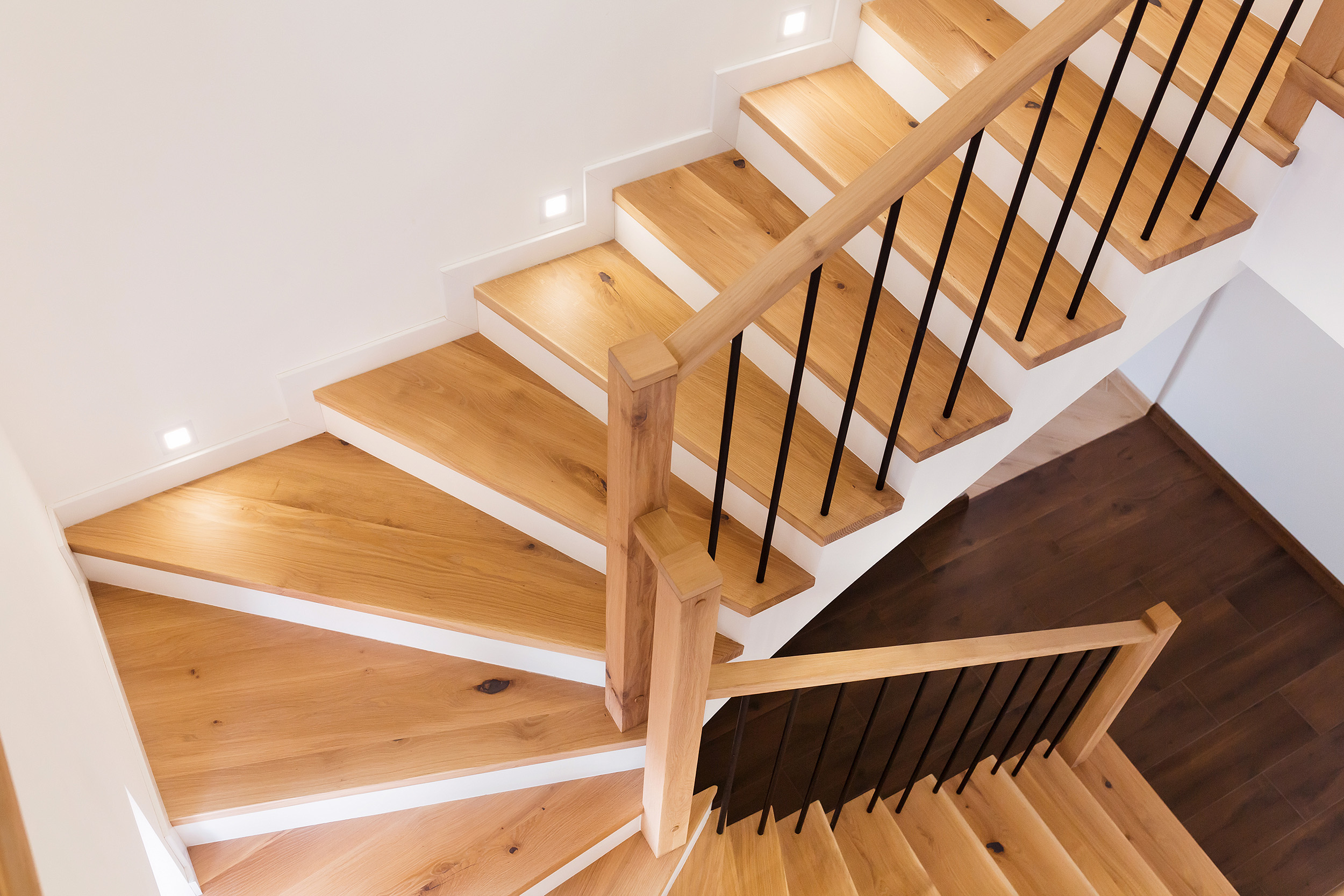
Open-plan living has become the standard expectation in Australian homes. Buyers walk through a property and instinctively assess how the space connects and whether it feels cohesive. When the flow is interrupted or the interior lacks a clear focal point, something feels off even if the buyer cannot name exactly why. Staircases are a prime example of a feature that significantly affects interior flow but is regularly overlooked during renovations. In a two-storey home, the staircase sits in one of the most trafficked and visually prominent positions in the property. A tired, dated staircase pulls the entire interior down with it. Homeowners who have worked with specialists like Aussie Stairs consistently report that upgrading their staircase transforms how the entire ground floor reads, not just the staircase itself. Other common focal point mistakes include poorly positioned lighting, blocked sightlines to the garden, and living areas that feel disconnected from dining spaces.
5. DIY-ing Work That Requires a Licensed Tradesperson
The rise of renovation content on social media has convinced many homeowners that almost any job can be done with a YouTube tutorial and a weekend. Some tasks genuinely can. Painting, basic landscaping, and cosmetic upgrades are reasonable DIY territory. But electrical work, plumbing, structural alterations, and anything that requires council approval must be handled by licensed professionals. DIY work in these categories creates real safety risks, voids insurance policies, and can create significant legal complications when you go to sell. Buyers and conveyancers are increasingly thorough, and unpermitted work is being identified more often than it used to be.
6. Skipping the Pre-Sale Styling Step
Even a well-renovated home will underperform at auction or private sale if it is presented poorly. Styling a home for sale is not about deception. It is about helping buyers form an emotional connection with the property. Professional styling involves furniture selection and placement, decluttering, lighting adjustments, and small finishing touches that make rooms feel larger, warmer, and more liveable. Research consistently shows that styled homes sell faster and for more than comparable unstyled properties. If a full styling service is outside your budget, at minimum declutter every room, remove personal items like family photos, ensure every light fitting has a working globe, and have the property professionally cleaned before photography.
7. Underestimating the Impact of Kerb Appeal
Many buyers form their opinion of a property before they even step inside. Kerb appeal, the first impression from the street, carries more weight than most sellers expect. A freshly painted facade, clean paths, tidy gardens, and well-maintained fencing signal that the property has been cared for. A neglected exterior creates doubt before the front door even opens. You do not need to spend a fortune on landscaping. A fresh coat of paint on the front fence, some seasonal plants in the garden bed, clean gutters, and a pressure-washed driveway make a meaningful difference for a relatively small outlay.
Frequently Asked Questions
Which renovation adds the most value to a home?
Kitchen and bathroom updates consistently deliver the highest return. Improving kerb appeal and interior flow also have a strong impact on buyer perception and final sale price.
Do I need council approval for renovations?
It depends on the scope of work and your local council requirements. Structural changes, additions, and anything affecting drainage or electrical systems will typically require approval. Always check with your local council before starting work.
How much should I spend on a pre-sale renovation?
A general rule is to spend no more than what you expect to recoup at sale. Minor cosmetic updates often deliver better returns than large structural renovations, particularly in price-sensitive markets.
Is it worth renovating before selling or selling as-is?
This depends on the condition of the property and the local market. In competitive markets, a well-presented renovated home commands stronger buyer interest. In seller’s markets, the uplift from renovation may not justify the time and cost involved. Getting a pre-sale appraisal from a local agent before committing to work is a worthwhile first step.
What is the biggest waste of money in home renovation?
Over-capitalising for the neighbourhood and spending heavily on trendy but divisive finishes are the two most common ways homeowners lose money on renovations. Prioritise features with broad appeal and proven resale value over personal preferences.

Comments are closed.