

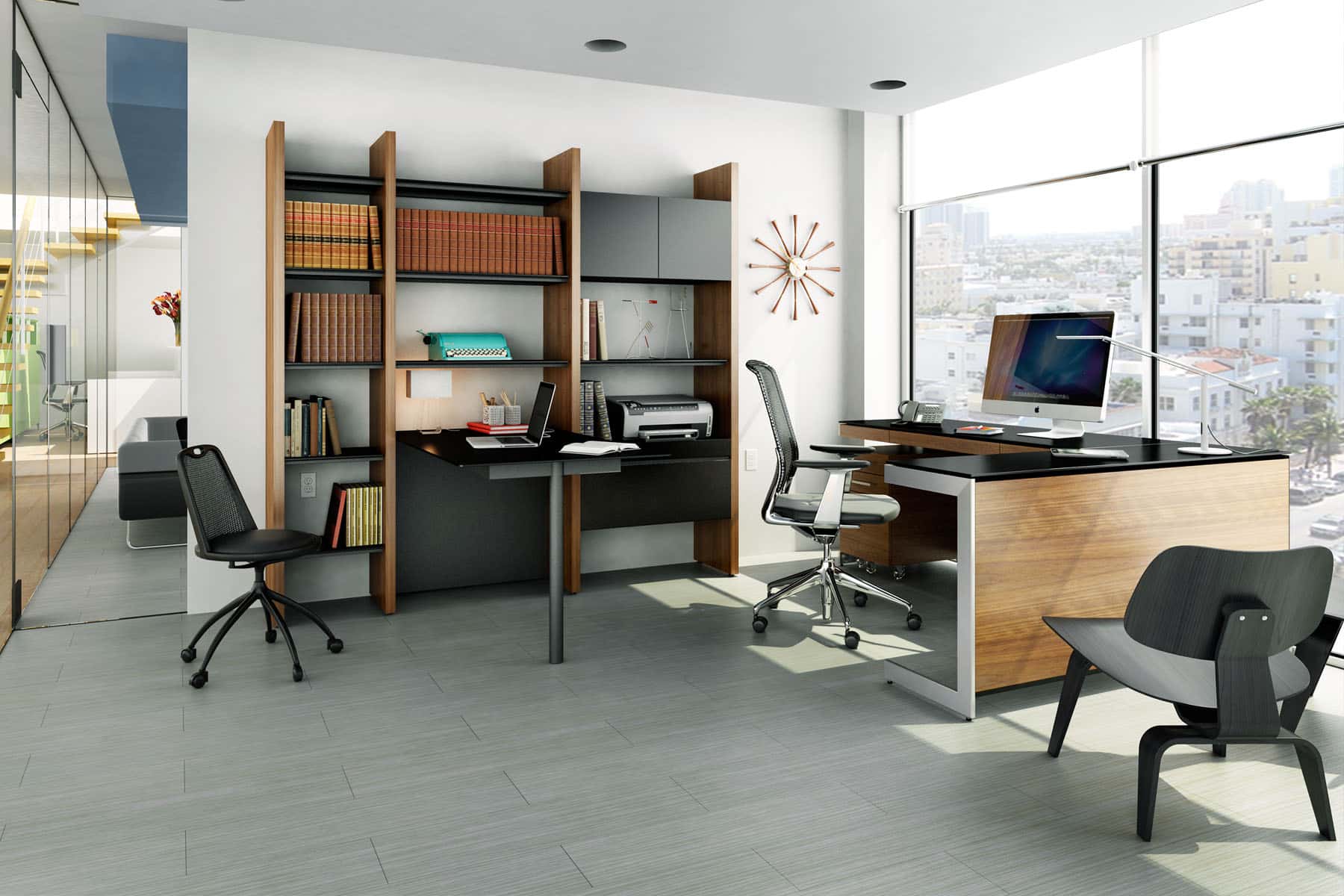

Furniture is an essential part of daily life, shaping how spaces function and feel. Whether it’s a cozy sofa in a living room or a functional desk in a workspace, furniture blends utility, comfort, and visual appeal. Thoughtfully selected pieces not only support daily activities but also express lifestyle and personality.
Understanding Furniture and Its Role
Furniture includes movable items created to support activities such as sitting, sleeping, dining, and working. Beyond practicality, furniture contributes to organization, comfort, and ambiance, making spaces more livable and inviting.
Why furniture is important:
-
Supports daily comfort and convenience
-
Improves space efficiency
-
Defines interior aesthetics
-
Enhances overall quality of life
Major Categories of Furniture
Furniture is commonly classified based on where and how it is used.
Home Furniture
Designed to create comfortable and functional living spaces.
-
Sofas, recliners, and chairs
-
Beds and bedside tables
-
Dining furniture
-
Storage units and shelves
Workplace Furniture
Focused on efficiency, posture, and productivity.
-
Office desks
-
Ergonomic seating
-
Meeting and conference tables
-
Storage and filing systems
Outdoor Furniture
Built to handle exposure while maintaining comfort.
-
Garden chairs and tables
-
Balcony seating
-
Sunbeds and loungers
-
Weather-resistant benches
Common Furniture Materials
Material choice affects durability, appearance, and upkeep.
Wooden Furniture
A classic option valued for strength and warmth.
-
Solid wood for long-term durability
-
Engineered wood for modern designs and affordability
Metal Furniture
Often used in modern and industrial styles.
-
Strong and long-lasting
-
Suitable for offices and outdoor use
Upholstered Furniture
Primarily used for seating and relaxation.
-
Fabric upholstery offers variety and comfort
-
Leather upholstery provides a premium finish
Glass and Synthetic Materials
Popular in contemporary interiors.
-
Glass adds openness and elegance
-
Plastic offers lightweight and cost-effective solutions
How to Select the Right Furniture
Choosing furniture requires balancing style with practicality.
Key considerations include:
-
Available space and room layout
-
Purpose and daily usage
-
Comfort and body support
-
Ease of maintenance
-
Budget and expected lifespan
Well-planned furniture placement improves movement and prevents clutter.
Modern Furniture Trends
Furniture design continues to evolve with changing needs and preferences.
Notable trends include:
-
Minimalist and space-saving furniture
-
Eco-conscious materials and designs
-
Neutral palettes with statement pieces
-
Smart furniture with built-in features
These trends focus on adaptability, sustainability, and simplicity.
Furniture Care and Longevity
Proper maintenance helps furniture retain its beauty and function.
Helpful care tips:
-
Clean regularly using suitable cleaning agents
-
Protect from excessive sunlight and moisture
-
Use mats and pads to prevent scratches
-
Inspect joints and fittings periodically
Regular care ensures furniture remains reliable for years.
Frequently Asked Questions (FAQs)
What furniture should be purchased first for a new space?
Start with essentials such as a bed, seating, a dining surface, and basic storage.
How can furniture improve small rooms?
Using foldable, modular, or multifunctional furniture helps maximize limited space.
Which furniture material is best for durability?
Solid wood and metal are among the most durable materials when properly cared for.
Is modern furniture suitable for traditional homes?
Yes, mixing modern furniture with traditional elements can create a balanced and unique look.
How do I maintain upholstered furniture?
Regular vacuuming, spot cleaning, and avoiding spills help maintain upholstery quality.
What is multifunctional furniture?
It refers to furniture designed to serve more than one purpose, such as sofa beds or storage ottomans.
Does furniture arrangement affect comfort?
Yes, proper arrangement improves accessibility, comfort, and the overall flow of a room.

Comments are closed.