

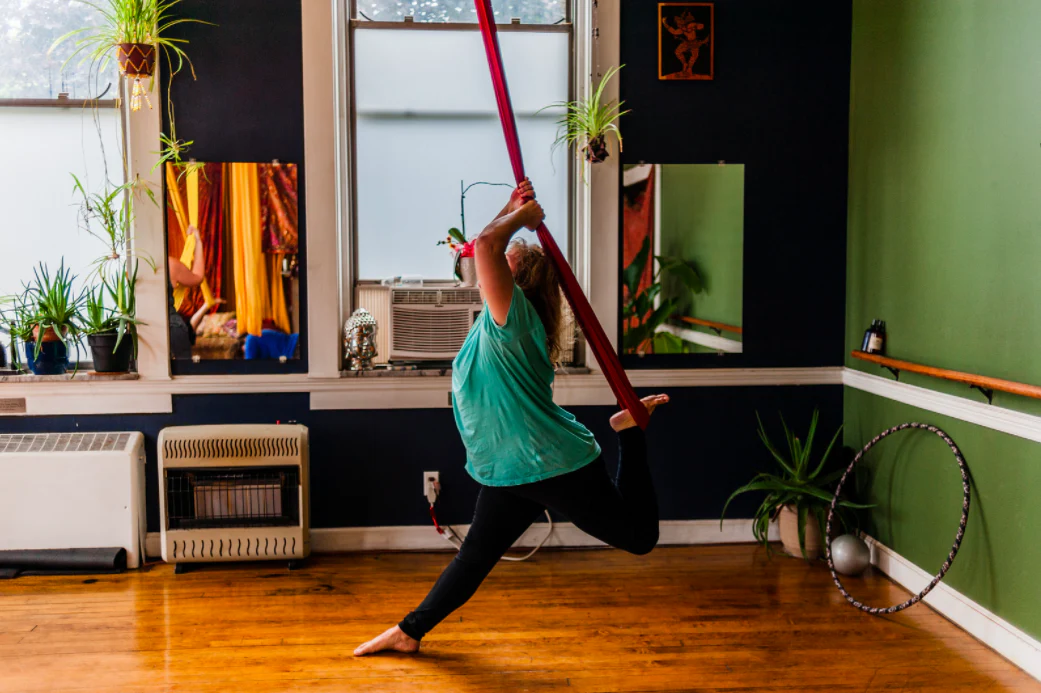

Why Practise Aerial Yoga at Home
For many people, exercising at home has become the new normal. It offers flexibility, comfort, and the chance to practise without travelling to a studio. One unique and rewarding way to bring wellness into the home is by setting up a space for aerial yoga. Unlike conventional yoga, aerial yoga requires a hammock, which makes the practice feel playful and therapeutic.
Transforming your living room into a dedicated aerial yoga area is possible with thoughtful planning. The key lies in balancing safety, space efficiency, and comfort so that your home environment supports both relaxation and structured training.
Assessing the Space Available
The first step is evaluating whether your living room can accommodate aerial yoga equipment. You need enough ceiling height and floor area for movement, inversions, and stretches.
-
Ceiling Height: A minimum of 8 to 10 feet is recommended to allow safe inversions.
-
Clearance: Keep at least 6 feet of open space around the hammock for wide movements.
-
Flooring: Wood or tile floors can be hard, so placing yoga mats or cushioned flooring beneath the hammock is essential.
If your living room is compact, it may still work with strategic furniture arrangements. Movable items like coffee tables and chairs can be shifted to create space during practice.
Choosing the Right Hammock and Hardware
The hammock is the heart of your aerial yoga studio. Selecting high-quality material ensures both comfort and safety.
-
Fabric Quality: Opt for strong, slightly stretchy nylon or silk that supports body weight securely.
-
Mounting Hardware: Heavy-duty ceiling hooks or beam mounts rated for load-bearing are essential.
-
Weight Limit: Ensure the hammock and installation can hold at least 250 to 300 kilograms for safety.
-
Adjustability: A hammock with adjustable height settings allows customisation for different poses.
Professional installation is strongly recommended to ensure ceiling beams or anchors are secure.
Creating a Safe Environment
Safety is crucial when practising aerial yoga at home. Proper planning prevents accidents and makes sessions more enjoyable.
-
Check ceiling beams for strength before installation.
-
Place thick yoga mats or crash pads beneath the hammock.
-
Avoid setting up near sharp corners, shelves, or fragile items.
-
Keep the area well-lit to support balance and awareness.
Regularly inspect hardware for wear and tear, and replace parts when needed to maintain safety standards.
Designing a Calming Atmosphere
A home aerial yoga studio should not only be functional but also inviting. The right atmosphere enhances focus, relaxation, and enjoyment.
Consider the following additions:
-
Lighting: Soft, warm lighting or natural sunlight creates a soothing environment.
-
Aromatherapy: Essential oils like lavender or eucalyptus promote relaxation during practice.
-
Decor: Minimalist décor with calming colours such as blues, greens, or neutrals supports focus.
-
Music: Gentle background music can enhance mindfulness and flow.
By blending safety with aesthetics, your living room becomes both a fitness zone and a sanctuary.
Integrating Storage Solutions
Living rooms often serve multiple purposes, so efficient storage is important. Install hooks or a small cupboard to store hammocks, mats, and props when not in use. Foldable mats and portable stands make it easy to transition the room back to everyday use after practice.
Structuring a Home Practice Routine
Once your home studio is ready, the next step is building a consistent practice schedule. Aerial yoga at home works best when structured with intention.
-
Warm-Up: Begin with simple stretches and breathing exercises to prepare the body.
-
Core Strength Poses: Use the hammock to support planks, crunches, or suspended squats.
-
Inversions: Incorporate gentle inversions like supported shoulder hangs.
-
Flexibility Work: Use the hammock to deepen hip and back stretches.
-
Cool Down: End with restorative poses and meditation inside the hammock.
Keeping sessions to 30 to 60 minutes ensures consistency without overwhelming the body.
Benefits of Home-Based Aerial Yoga
Creating a home aerial yoga studio comes with unique benefits that extend beyond convenience.
-
Privacy: Practise without feeling self-conscious.
-
Flexibility: Schedule sessions at any time, even during short breaks.
-
Cost Savings: Long-term savings compared to attending external classes regularly.
-
Family Engagement: Encourage other household members to join, turning wellness into a shared activity.
These advantages make home practice a sustainable lifestyle choice.
Overcoming Common Challenges
While the idea of practising at home is appealing, challenges can arise. Knowing how to manage them makes the process smoother.
-
Limited Space: Foldable furniture or multifunctional rooms can solve this.
-
Noise and Distractions: Use headphones or designate practice times for quiet periods.
-
Motivation: Setting goals or joining online communities helps maintain enthusiasm.
With preparation and determination, these obstacles can be managed effectively.
Long-Term Lifestyle Integration
A home aerial yoga studio is not just about fitness, it becomes part of your lifestyle. By incorporating it into daily routines, you create a habit that supports both physical and mental well-being. Many practitioners find that the space becomes their go-to area for stress relief, meditation, and creativity.
Studios like Yoga Edition demonstrate how aerial yoga can be adapted to different lifestyles, and bringing it into the home ensures that practice is always within reach.
Frequently Asked Questions
Q1. Can I install an aerial yoga hammock in a small apartment living room?
Yes, even small spaces can work if furniture is moved and there is enough ceiling strength. Proper professional installation is essential.
Q2. How do I know if my ceiling can support a hammock?
A qualified installer can check load-bearing beams. Lightweight plaster or false ceilings are not suitable for direct mounting.
Q3. What is the best flooring for a home aerial yoga setup?
Cushioned flooring, yoga mats, or padded rugs work best. Avoid hard flooring without padding to reduce injury risk.
Q4. Do I need to buy special props for aerial yoga at home?
A hammock, secure ceiling mounts, and yoga mats are essential. Blocks or straps are optional but useful for deeper stretches.
Q5. Is it safe for beginners to start aerial yoga at home?
Yes, but beginners should first learn basic techniques in a guided environment or through detailed instruction before practising alone. Safety measures like crash mats are highly recommended.
Q6. Can I use my aerial yoga setup for other exercises?
Absolutely. The hammock can also support stretching, core training, and even relaxation techniques such as meditation or restorative swings.

Comments are closed.