

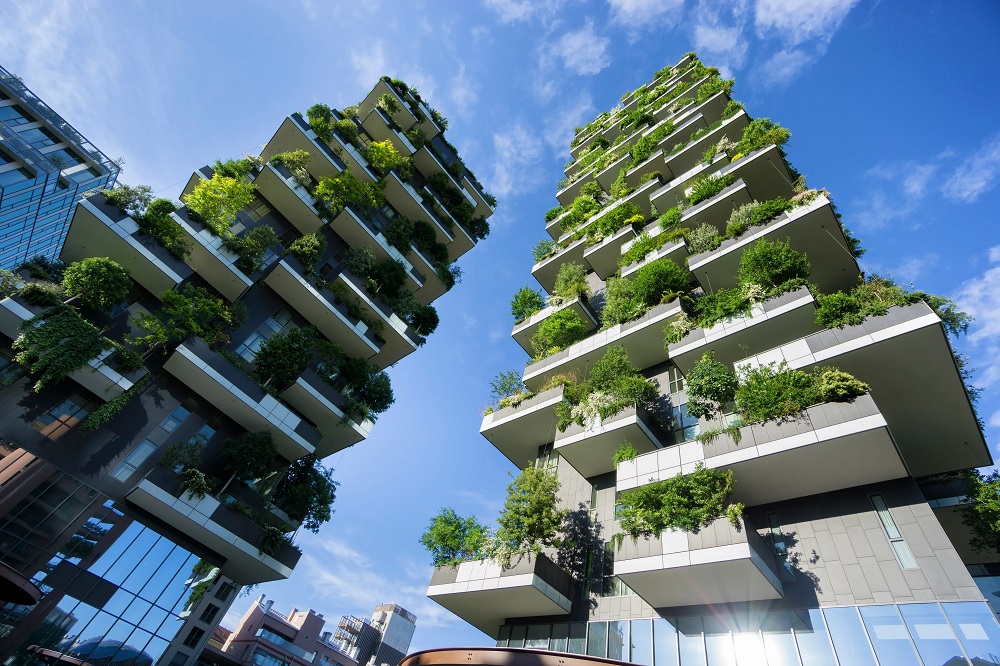
Architecture: Creating Purposeful Spaces Inspired by Culture and Modern Innovation

Architecture is a powerful blend of function, creativity, and cultural storytelling. It shapes the environments where people live, work, learn, and connect. Beyond aesthetics, architecture gives structure to daily life, reflecting societal values while embracing innovation to meet evolving needs.
The Meaning of Purposeful Architecture
Purposeful architecture focuses on designing spaces that serve clear objectives while enhancing human experience. Every decision—from layout to material selection—is intentional, ensuring buildings are efficient, comfortable, and meaningful.
Fundamental Goals of Architecture
-
Usability: Spaces designed for practical, everyday use
-
Safety: Structurally sound and resilient environments
-
Comfort: Consideration of light, airflow, and acoustics
-
Durability: Long-lasting materials and construction methods
-
Identity: Designs that communicate purpose and character
When architecture is purposeful, it supports both functionality and emotional connection.
Cultural Influence on Architectural Design
Culture plays a vital role in shaping architecture. Traditions, climate, social behavior, and local history influence how buildings are planned and constructed. Architecture becomes a visual language through which communities express identity and heritage.
Ways Culture Shapes Architecture
-
Use of regional materials and construction techniques
-
Design forms inspired by traditions and beliefs
-
Spatial layouts reflecting social interaction and privacy
-
Decorative elements tied to artistic heritage
Through culturally responsive design, architecture preserves identity while adapting to modern needs.
Innovation as a Driving Force
Innovation has transformed architecture, allowing designers to reimagine what buildings can achieve. Advances in technology, materials, and construction processes have expanded creative freedom while improving efficiency and performance.
Modern Innovations in Architecture
-
Digital modeling and design software
-
Prefabricated and modular construction
-
Smart systems for lighting, climate, and security
-
Advanced structural materials
-
Sustainable construction technologies
Innovation enables architects to design smarter, more adaptable spaces for the future.
Designing Functional and Human-Centered Spaces
Architecture is ultimately about people. Human-centered design prioritizes how individuals experience space, ensuring environments feel intuitive, inclusive, and supportive of well-being.
Key Elements of Human-Centered Architecture
-
Clear circulation and spatial organization
-
Flexible layouts for changing needs
-
Accessibility for all users
-
Thoughtful proportions and scale
-
Integration of natural elements
Functional spaces designed around human behavior foster productivity, comfort, and connection.
Sustainability in Modern Architecture
Sustainability is now a core responsibility of architectural practice. Designers aim to reduce environmental impact while creating efficient and healthy buildings that stand the test of time.
Sustainable Design Principles
-
Passive heating and cooling strategies
-
Natural daylight and ventilation
-
Energy-efficient building systems
-
Responsible material sourcing
-
Water conservation techniques
Sustainable architecture benefits both the environment and building occupants.
Architecture’s Role in Everyday Life
Architecture shapes how people interact with their surroundings. Well-designed spaces can promote social engagement, improve mental health, and strengthen communities. From homes to public spaces, architecture influences routines, behavior, and overall quality of life.
The Future of Architecture
The future of architecture lies in adaptive, resilient, and technology-driven design. As cities grow and challenges such as climate change intensify, architects will focus on flexibility, innovation, and regenerative approaches that create lasting value.
Frequently Asked Questions
What does purposeful architecture mean?
Purposeful architecture focuses on intentional design that balances function, comfort, and meaning.
How does culture influence architectural styles?
Culture affects materials, layouts, forms, and decorative elements, embedding traditions into built spaces.
Why is innovation important in architecture?
Innovation helps architects solve complex challenges, improve efficiency, and create smarter buildings.
What is human-centered architectural design?
It prioritizes user comfort, accessibility, and usability in every design decision.
How does sustainable architecture impact the environment?
It reduces energy use, conserves resources, and lowers environmental footprints.
Can architecture influence behavior and well-being?
Yes, design elements like light, space, and layout significantly affect mood and productivity.
What trends are shaping the future of architecture?
Key trends include sustainability, smart buildings, adaptive reuse, and flexible design solutions.

Comments are closed.