

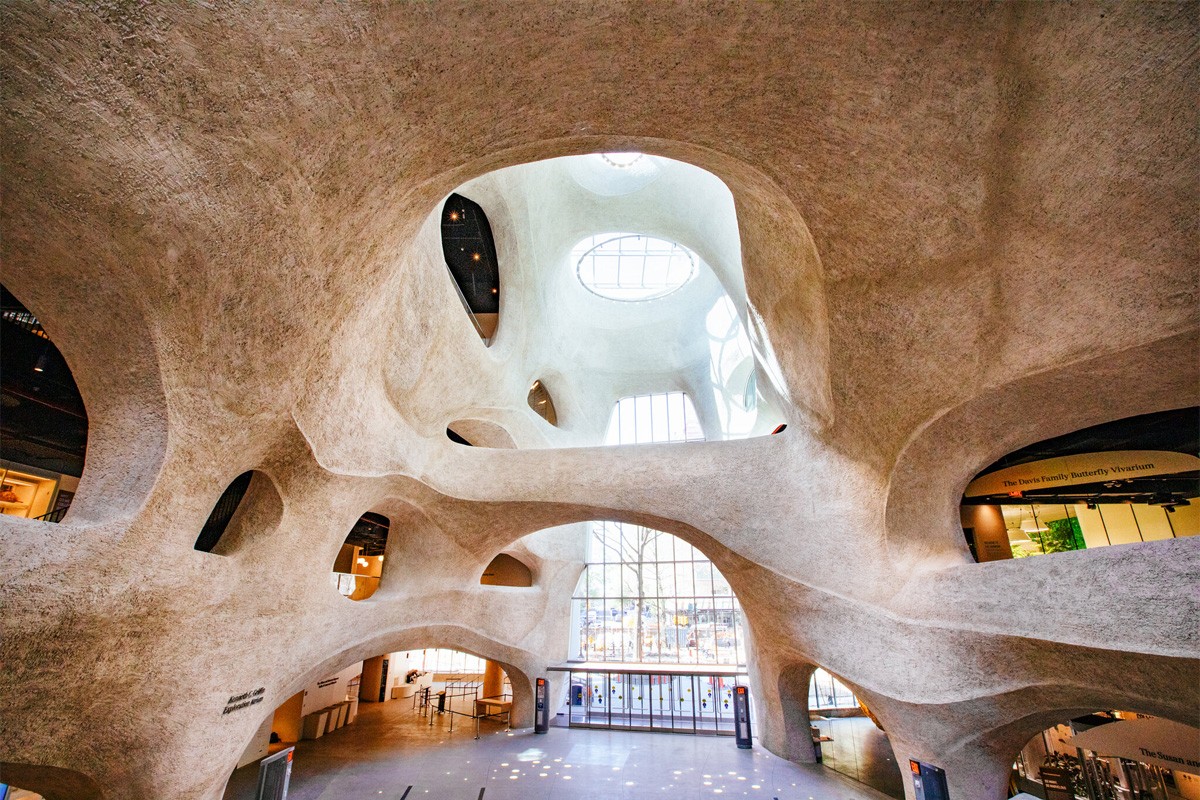
Architecture: Designing Functional Spaces That Reflect Culture and Innovation

Architecture stands at the intersection of art, engineering, and human experience. It shapes how people live, interact, and express identity through the built environment. Beyond walls and roofs, architecture translates cultural values and technological progress into physical form, creating spaces that are both purposeful and meaningful.
The Essence of Architectural Design
At its foundation, architecture is about solving problems through design. Every structure responds to a set of functional needs while expressing creativity and contextual awareness. Architects consider how a space will be used, how it will age, and how it connects with its surroundings.
Core Principles of Architecture
-
Functionality: Spaces must serve their intended purpose efficiently
-
Aesthetics: Visual harmony enhances emotional and cultural connection
-
Structure: Sound engineering ensures safety and longevity
-
Context: Design responds to climate, location, and culture
-
Human Comfort: Light, scale, acoustics, and airflow shape user experience
Architecture as a Cultural Expression
Architecture has always mirrored the society that created it. Materials, forms, and layouts often reflect local traditions, beliefs, and social structures. Religious buildings, homes, and civic spaces reveal how communities prioritize values such as privacy, openness, or collective gathering.
Cultural Influence in Design
-
Use of local materials rooted in tradition
-
Forms inspired by historical or symbolic meanings
-
Spatial layouts shaped by social customs
-
Ornamentation reflecting artistic heritage
Through architecture, culture becomes visible and enduring.
Innovation in Architectural Practice
Innovation drives architecture forward. Advances in technology and materials allow architects to push boundaries, creating structures that were once impossible. Digital tools enable precise modeling, while new construction methods improve efficiency and accuracy.
Modern Innovations Shaping Architecture
-
Computer-aided and parametric design
-
Modular and prefabricated construction
-
Smart building systems
-
High-performance materials
-
Integration of digital fabrication
Innovation ensures that architecture evolves alongside societal needs.
Functional Spaces and Human-Centered Design
Functionality remains central to architectural success. Well-designed spaces anticipate human behavior, promote ease of movement, and support physical and mental well-being. From residential layouts to public infrastructure, functionality influences comfort and productivity.
Elements of Functional Architecture
-
Logical circulation and spatial flow
-
Flexible interiors adaptable to change
-
Accessibility for all users
-
Efficient use of space and resources
When function and design align, architecture becomes intuitive and welcoming.
Sustainability and Responsible Architecture
Sustainability is no longer optional in architecture. Designers now aim to minimize environmental impact while maximizing efficiency and durability. Sustainable architecture balances present needs without compromising future generations.
Sustainable Design Strategies
-
Passive heating and cooling systems
-
Natural lighting and ventilation
-
Energy-efficient materials and systems
-
Water conservation methods
-
Reduced construction waste
These approaches create buildings that are environmentally responsible and economically viable.
Architecture’s Impact on Daily Life
Architecture influences daily routines, social interaction, and emotional well-being. Thoughtfully designed spaces can encourage collaboration, relaxation, and creativity. In urban environments, architecture plays a vital role in shaping community identity and livability.
The Future of Architecture
The future of architecture lies in adaptive, resilient, and intelligent design. As cities grow and climates change, architects will focus on flexibility, technology integration, and regenerative solutions that restore rather than deplete resources.
Frequently Asked Questions
What makes architecture both functional and artistic?
Architecture blends technical problem-solving with creative expression, ensuring spaces work efficiently while remaining visually engaging.
How does culture influence architectural design?
Culture shapes materials, forms, layouts, and decorative elements, embedding social values into physical spaces.
Why is innovation important in architecture?
Innovation allows architects to address complex challenges, improve efficiency, and create safer, more adaptable buildings.
What is human-centered architectural design?
It focuses on comfort, accessibility, and usability, designing spaces around human needs and behaviors.
How does sustainable architecture benefit society?
It reduces environmental impact, lowers energy costs, and promotes healthier living environments.
Can architecture affect productivity and well-being?
Yes, factors like natural light, spatial organization, and acoustics significantly influence mood and performance.
What skills are essential for modern architects?
Critical thinking, creativity, technical knowledge, communication skills, and environmental awareness are essential.

Comments are closed.