

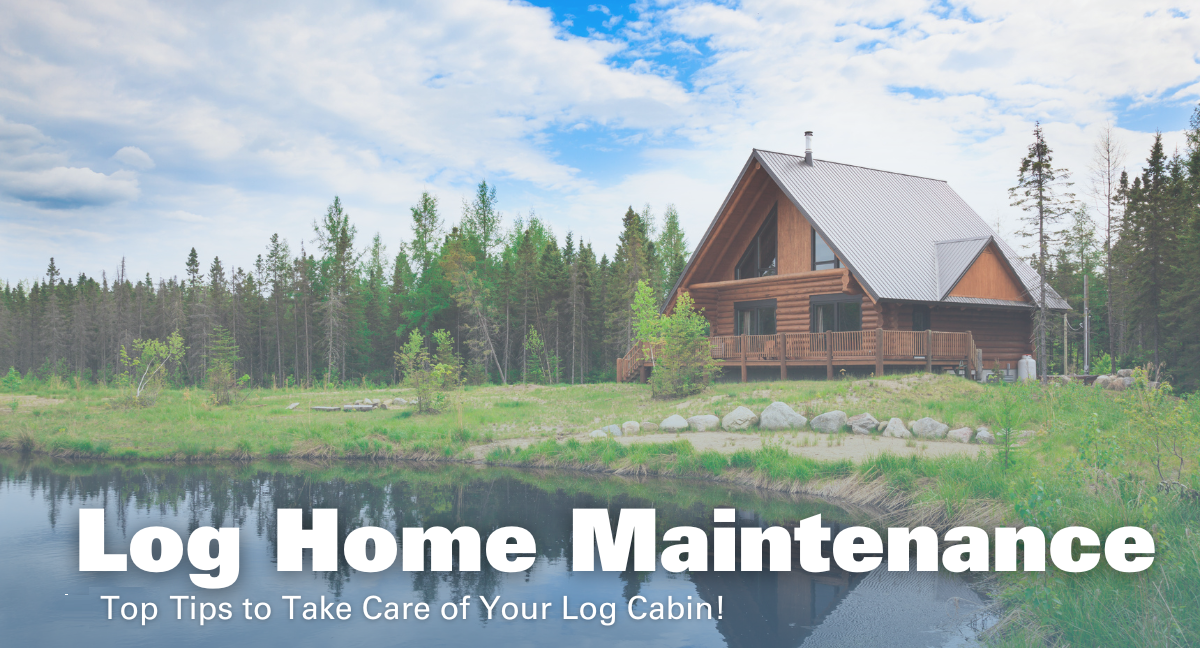

Owning a log home is not just about having a place to live; it is about embracing a unique lifestyle that celebrates nature, craftsmanship, and rustic beauty. A log home stands apart from conventional houses because of its character and warmth, but maintaining it requires special care. With the right approach, a log home can last for generations while retaining its original charm and strength. Professional builders such as Frontier Log Homes offer valuable insights into how homeowners can keep their log houses looking beautiful and structurally sound for years.
Understanding the Nature of Log Homes
Unlike concrete or brick houses, log homes breathe and move with the environment. Wood expands and contracts based on temperature and humidity, so over time, it may develop small cracks or gaps. This is perfectly normal and part of the natural settling process. The key is to identify and treat potential issues before they grow. Regular maintenance not only protects the structure but also enhances its energy efficiency and indoor comfort. Every log home owner should understand that proactive care is always more cost-effective than repairs after damage occurs.
1) Prevent Moisture Damage
The single most important aspect of maintaining a log home is protecting it from moisture. Since logs are organic, they are susceptible to mold, mildew, and rot if they stay damp for long periods. Moisture problems can weaken the structure and cause visible deterioration. To prevent such issues, conduct frequent inspections to spot gaps or cracks where rainwater could seep in. Seal them using high-quality caulking or weather-resistant chinking designed specifically for log homes. It is also essential to keep gutters and downspouts clear so rainwater flows away from the foundation instead of collecting near the base. Check that your roof overhangs are large enough to shield the walls from heavy rainfall. If possible, grade the surrounding soil so that water drains naturally away from the structure. These small but consistent efforts help safeguard your investment from the biggest threat log homes face.
2) Keep the Logs Clean
Keeping your logs clean helps maintain both beauty and durability. Dust, pollen, bird droppings, and mildew can gradually wear down the wood’s surface. A gentle wash once or twice a year helps preserve the finish and prevents buildup. Use a mild soap solution or a specialised wood cleaner with a low-pressure washer. Avoid high pressure, which can damage the fibres or remove protective finishes. If you notice any greenish or black areas caused by mold or mildew, treat them using a diluted bleach solution or an eco-friendly alternative recommended for wood exteriors. Once washed, allow the logs to dry completely before applying any treatment or finish. A clean surface not only looks fresh but also makes it easier to identify small issues early.
3) Apply a Protective Finish or Stain
Applying a finish or stain to your log home creates a vital barrier against sun exposure and water infiltration. It also enriches the colour and brings out the natural grain of the wood. Choose a product specifically made for log homes because ordinary exterior paints or stains may trap moisture inside the wood. Transparent or semi-transparent stains are often preferred since they let the wood breathe while offering UV protection. Reapply the finish every few years, depending on your local climate and the condition of the logs. Areas exposed to constant sunlight or heavy rain might require more frequent attention. Before applying a new coat, make sure the surface is clean and free from old residue. A properly finished log home can resist fading, peeling, and cracking for years while retaining its rustic glow.
4) Inspect Regularly
Regular inspections are crucial to identifying potential issues early. Examine both the interior and exterior for cracks, insect activity, water stains, or signs of rot. Pay extra attention to the corners, window frames, and areas near the roofline where moisture tends to accumulate. If you find any soft spots or discoloration, address them immediately. Catching problems at an early stage saves both time and money in the long run. A quick visual check every few months and a more detailed inspection once a year are highly recommended. Keep a logbook of your maintenance activities so you can track what was done and when.
5) Seek Professional Help When Needed
While many maintenance tasks can be handled by homeowners, some situations call for professional expertise. From refinishing large exterior surfaces to repairing structural damage, skilled specialists ensure that your home receives the right treatment. You can always hire a professional if you are not comfortable performing the maintenance tasks yourself. Well-established companies like Log Masters generally specialize in log home care and can provide all the necessary services to keep your home in top condition. Professionals can also assess areas you might overlook, such as hidden moisture penetration or insect damage, ensuring the home’s long-term health.
6) Protect Against Insects and Pests
Wood-boring insects like termites, carpenter ants, and beetles can cause serious damage if left unchecked. Prevent infestation by keeping firewood and vegetation away from your home’s walls, as these can attract pests. Inspect for small holes, fine sawdust, or hollow sounds when tapping the logs. Apply an approved borate-based wood preservative to deter insects and fungi. Annual pest inspections by certified technicians are a worthwhile investment, especially in humid or wooded regions.
7) Be Prepared for Repairs
Even with careful upkeep, repairs will eventually be needed. Exposure to the elements naturally wears down any structure over time. Keeping a dedicated maintenance or repair fund ensures that you can act promptly when issues arise. Typical repairs might include resealing joints, replacing damaged logs, or updating protective coatings. When repairs are done quickly and professionally, they prevent more serious and expensive structural problems from developing later.
8) Maintain the Interior Climate
The interior climate plays a big role in the overall stability of your log home. Wood reacts to fluctuations in temperature and humidity, so maintaining balance is vital. Use dehumidifiers during damp months and humidifiers in dry seasons to prevent excessive expansion or shrinkage. Proper ventilation helps keep the air fresh and prevents condensation inside the home. Controlling indoor moisture levels not only protects your logs but also makes your living environment more comfortable year-round.
9) Seasonal Maintenance Checklist
Creating a seasonal maintenance checklist makes the process easier and more organised. In spring, inspect for winter damage, clean the exterior, and check for moisture intrusion. In summer, focus on staining, sealing, and exterior cleaning. Fall is the ideal time to clean gutters, inspect roofing, and prepare for snow or rain. During winter, monitor interior humidity and ensure heating systems do not dry the logs excessively. A consistent seasonal plan keeps your log home in excellent condition no matter the weather.
10) Enjoy the Rewards of Ownership
A log home is more than a dwelling; it is a reflection of your lifestyle and love for natural living. Taking care of it should never feel like a burden but rather a way to preserve a legacy. With regular maintenance, timely inspections, and the occasional help of professionals, you can enjoy your log home for decades while ensuring it remains as stunning as the day it was built. Every coat of finish, every cleaned log, and every inspection contributes to the lasting beauty of your home.
Maintaining a log home may require commitment, but the rewards are worth it. A well-cared-for structure stands strong against weather, retains its warmth and aesthetic appeal, and provides a comfortable living environment filled with character and peace. By following these essential practices, and with guidance from trusted experts, your log home can remain a beautiful sanctuary for generations to come.

Comments are closed.