


Where thoughtful wine spaces begin to take shape
Some home projects are all about appearance. A wine cellar is different. It has to protect, organize, and enhance the collection at the same time. That balance is what makes cellar design so interesting. Many homeowners start their planning process with solutions designed around Louisiana custom wine cellars because storage needs often vary from one collection to the next. A room that works perfectly for one owner may feel completely wrong for another. That is why smart planning matters from the very beginning.
A well-designed wine cellar should feel natural inside the home. It should fit the available space while supporting the collection’s long-term needs. This guide explores what makes a cellar practical, attractive, and easy to use. We will look at storage layouts, climate concerns, material choices, and organization methods. Each element plays a role in creating a room that feels complete. The goal is not simply to store bottles. The goal is to create a space that protects them while adding character to the home. When every part works together, the result feels effortless and enjoyable for years to come.
How to choose a layout that supports your collection
The layout sets the direction for the entire cellar. Before selecting materials or finishes, it helps to understand how the collection will grow over time. Some homeowners focus on daily drinking wines. Others collect bottles intended for long-term aging. These habits influence storage requirements and shelf arrangements. Planning around actual use creates a room that remains practical rather than becoming crowded later.
Traffic flow also deserves attention during the planning stage. A cellar should feel comfortable to move through. Tight spaces can make bottle access frustrating. Open layouts improve both convenience and appearance. Good design combines accessibility with efficient storage. When those elements work together, the cellar feels balanced and easy to enjoy.
- Plan for future collection growth
- Create clear storage zones
- Allow comfortable walking space
- Keep frequently used bottles accessible
- Balance capacity with convenience
What climate control features protect wine over time
Wine responds to its environment more than many people realize. Temperature changes can affect aging. Excess humidity can create unwanted issues. Poor insulation can force cooling systems to work harder than necessary. These factors make climate control one of the most important parts of any cellar project. A beautiful room means little if storage conditions are unstable.
Successful cellar environments rely on consistency. Proper cooling equipment helps maintain ideal conditions throughout the year. Quality insulation supports system efficiency while reducing fluctuations. Air circulation also contributes to stable storage conditions. When these components work together, collections remain protected and organized. Strong environmental control is often the difference between a cellar that looks nice and one that truly performs well.
- Maintain consistent storage temperatures
- Install proper insulation materials
- Support healthy airflow patterns
- Monitor humidity levels regularly
- Use reliable cooling equipment
Why material selection influences both style and function
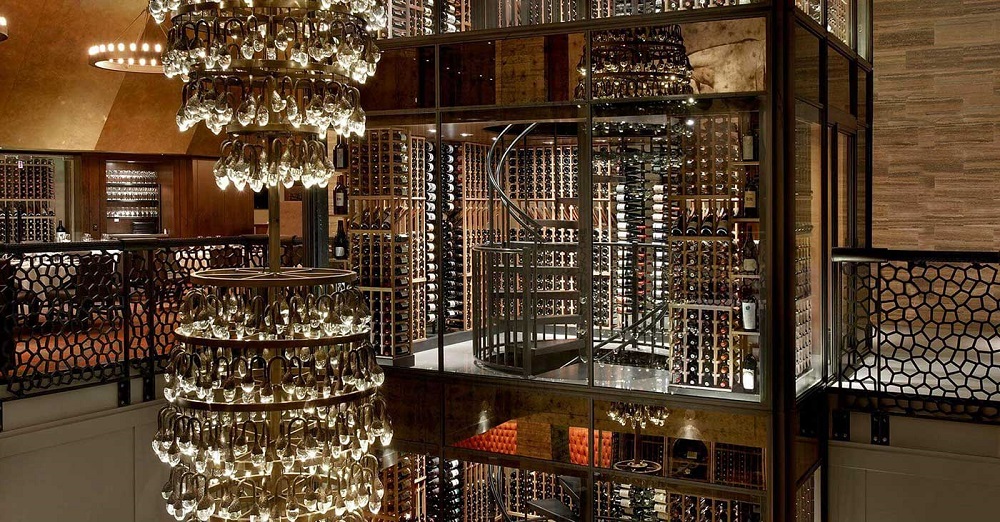
Materials shape the atmosphere of a wine cellar. They influence appearance, durability, and overall maintenance needs. Wood often creates warmth and tradition. Metal can introduce a more modern look. Glass provides openness and visibility. Stone adds texture and character. The best designs use materials thoughtfully rather than relying on trends alone.
Function should remain part of every material decision. Attractive finishes should also perform well in cellar conditions. Durability matters because storage spaces experience years of daily use. A smart combination of materials creates visual interest without overwhelming the room. Good design feels balanced rather than busy. The result is a space that remains appealing long after the project is complete.
- Select materials suited for cellar environments
- Match finishes to home design themes
- Prioritize durability and longevity
- Create visual balance throughout the room
- Blend function with appearance
What organization methods make a cellar easier to manage
Even the best cellar can become difficult to use without organization. As collections expand, locating specific bottles becomes more challenging. A clear storage system reduces confusion and improves efficiency. Organized collections are easier to maintain and more enjoyable to browse. Small planning decisions can save significant time later.
Different collectors prefer different approaches. Some organize by region. Others sort by grape variety or aging schedule. The exact system matters less than consistency. A structure that remains easy to follow helps preserve order as the collection grows. Good organization transforms storage from a simple necessity into part of the cellar experience itself.
- Group bottles by category
- Label storage areas clearly
- Track inventory consistently
- Review organization regularly
- Maintain easy bottle access
What creates lasting value in a custom wine cellar
A successful wine cellar combines practical storage with thoughtful design. It should support the collection while fitting naturally within the home. Strong planning creates a room that remains useful year after year. Every choice, from layout to climate control, contributes to the final result.
We believe the most rewarding wine spaces are built with long-term goals in mind. A cellar should grow with the collection while remaining comfortable and easy to use. When function, organization, and style come together, the room becomes more than storage. It becomes part of the home experience. Take time to plan carefully, trust the process, and create a space that feels right every time you step inside.

Comments are closed.