

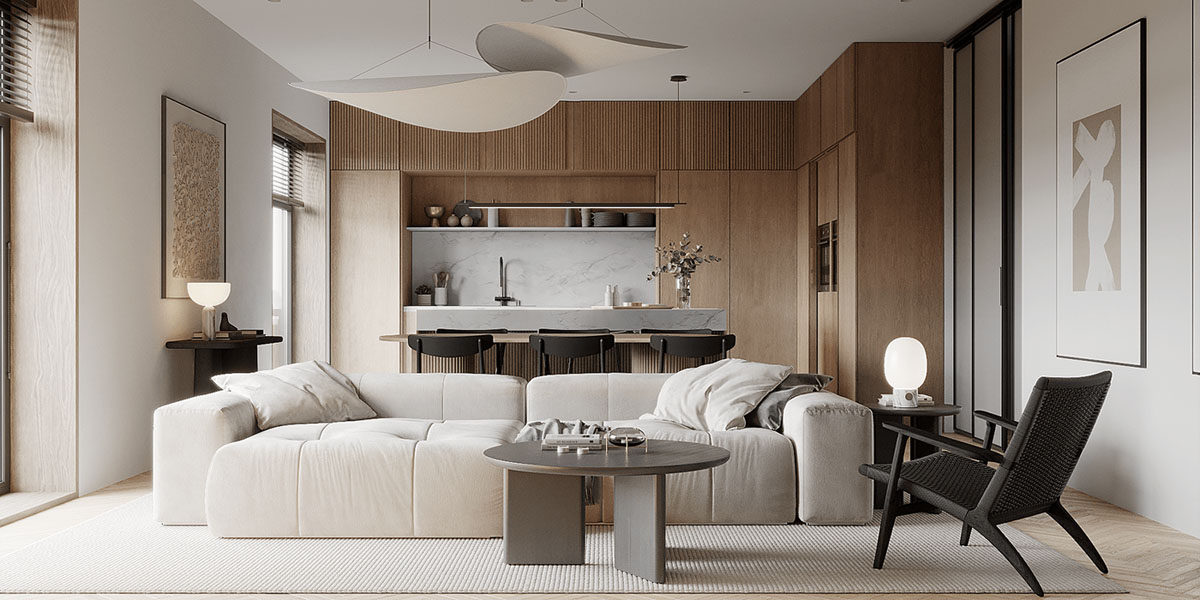

Remodeling is the process of reshaping a home to better match how people live today. It blends creativity with construction, allowing homeowners to refresh outdated spaces, improve functionality, and increase long-term value. From subtle upgrades to full structural transformations, remodeling offers the freedom to turn an existing house into a personalized, efficient, and comfortable home.
Understanding Home Remodeling
Home remodeling goes beyond surface-level improvements. It often involves altering layouts, upgrading systems, and modernizing materials to enhance both appearance and performance. Unlike routine maintenance, remodeling changes how a space looks, feels, and functions.
Typical remodeling projects include:
-
Kitchen and bathroom upgrades
-
Room expansions or conversions
-
Basement and attic renovations
-
Whole-house redesigns
Each project requires thoughtful planning to align design goals with budget and practicality.
Reasons Homeowners Choose to Remodel
People remodel their homes for many different reasons, often combining lifestyle needs with financial considerations.
Common motivations include:
-
Improved space utilization for growing families or remote work
-
Modern aesthetics replacing outdated designs
-
Higher property value and resale appeal
-
Enhanced energy efficiency and sustainability
-
Better comfort and accessibility
Remodeling allows homeowners to adapt their spaces without the stress of moving.
Planning a Remodeling Project the Right Way
Successful remodeling begins long before construction starts. Planning ensures the project stays on schedule, within budget, and aligned with expectations.
Clarify Your Vision
Start by identifying what you want to achieve. Consider how each space will be used and which changes will have the greatest impact on daily life.
Build a Practical Budget
A smart remodeling budget includes:
-
Labor and material costs
-
Design and permit fees
-
Temporary living adjustments
-
A contingency reserve for unexpected issues
Clear financial boundaries help prevent costly surprises.
Focus on Functional Design
Great design balances beauty and usability. A well-designed remodel improves traffic flow, storage, lighting, and overall comfort while maintaining visual harmony.
High-Impact Remodeling Areas
Some areas of the home deliver stronger returns and noticeable improvements when remodeled thoughtfully.
Kitchen Remodeling
Kitchens often receive top priority because they influence both lifestyle and resale value. Popular upgrades include:
-
Open layouts with better workflow
-
Energy-efficient appliances
-
Durable countertops and cabinetry
-
Enhanced lighting and storage
Bathroom Remodeling
Bathroom remodels emphasize comfort and efficiency. Common improvements include:
-
Walk-in showers or upgraded tubs
-
Modern fixtures with water-saving features
-
Improved ventilation and lighting
-
Sleek, low-maintenance materials
Living Areas and Open Layouts
Reworking living spaces can dramatically change how a home feels. Removing unnecessary walls improves:
-
Natural light distribution
-
Social interaction
-
Visual spaciousness
Open layouts are especially appealing in older homes.
Choosing Materials That Last
Material selection plays a major role in the success of any remodel. The right materials should combine durability, aesthetics, and ease of maintenance.
When selecting materials, consider:
-
Moisture resistance for kitchens and bathrooms
-
Long-lasting flooring for high-traffic areas
-
Sustainable and eco-friendly options
-
Timeless finishes over short-lived trends
Quality materials often reduce long-term repair and replacement costs.
Managing the Remodeling Experience
Remodeling can be disruptive, but proper management helps reduce stress and delays.
Best practices include:
-
Setting realistic timelines
-
Maintaining open communication with contractors
-
Documenting design changes clearly
-
Preparing for temporary inconveniences
Staying organized and flexible helps keep the project moving smoothly.
Mistakes to Avoid During Remodeling
Avoiding common errors can save significant time and money.
Be cautious of:
-
Underestimating costs and timelines
-
Skipping permits or inspections
-
Choosing style over functionality
-
Ignoring future needs or resale value
-
Making frequent changes mid-project
Thoughtful decision-making leads to better long-term results.
The Long-Term Benefits of Remodeling
A well-executed remodel offers lasting advantages beyond immediate visual appeal. Remodeling can:
-
Increase home equity
-
Improve energy efficiency
-
Reduce ongoing maintenance
-
Adapt homes to changing lifestyles
When planned carefully, remodeling becomes both a personal upgrade and a smart investment.
Frequently Asked Questions (FAQ)
1. How do I know if my home needs remodeling?
Signs include outdated layouts, lack of storage, inefficient systems, or spaces that no longer suit your lifestyle.
2. What is the most cost-effective room to remodel?
Bathrooms and kitchens often provide strong returns, but even small updates can significantly improve functionality and appearance.
3. How long should I plan for a remodeling project?
Timelines vary by scope, ranging from weeks for small projects to several months for full-home remodels.
4. Is it possible to live in my home during remodeling?
In many cases, yes, though larger projects may require temporary adjustments or alternative housing.
5. How can remodeling improve energy efficiency?
Upgrading insulation, windows, lighting, and appliances can reduce energy use and lower utility bills.
6. Should I remodel for my needs or resale value?
Ideally, balance both by choosing practical improvements with broad appeal and long-term usability.
7. What should I prioritize first in a remodel?
Focus on areas that affect daily comfort, safety, or functionality before purely aesthetic upgrades.

Comments are closed.